In short
A slipped disc sounds alarming, and the name is misleading — nothing actually slips. Most cases improve without surgery. Here is what is really happening and what helps.
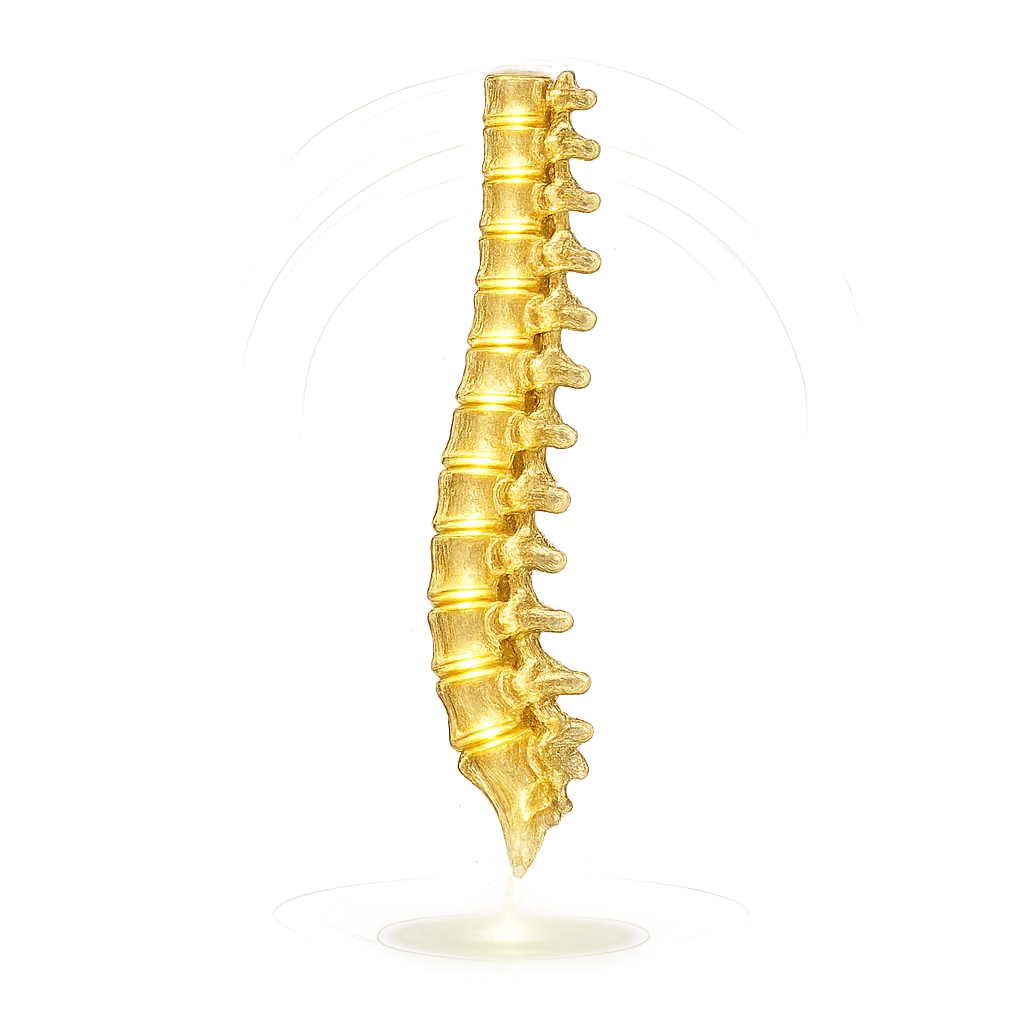
Between each pair of vertebrae sits a disc — a tough outer ring with a soft gel-like centre that acts as a shock absorber. When the outer ring weakens or tears, some of the inner material pushes out. That is a disc herniation, commonly called a slipped disc, though nothing slips out of place.
Why it causes pain
The pain usually comes not from the disc itself but from the displaced material pressing on or irritating a nearby nerve root, along with the inflammation that follows. This is why a lower back problem so often produces pain down the leg rather than in the back.
Symptoms
- Pain radiating into the buttock, thigh, calf or foot — often worse than the back pain itself
- Numbness, tingling or a pins-and-needles sensation following a defined path
- Weakness, such as difficulty lifting the front of the foot or standing on tiptoe
- Pain that worsens on sitting, coughing, sneezing or straining
Red flags that need urgent care
How it is treated
First, without surgery
Around eight to nine out of ten disc herniations settle with conservative treatment. That means staying active within tolerable limits, targeted physiotherapy, pain relief and anti-inflammatory medication, and time. Most improvement happens across six to twelve weeks.
Where nerve pain is severe and persistent, an epidural steroid injection can reduce inflammation around the nerve root and give a window in which rehabilitation becomes possible.
When surgery is considered
- Severe leg pain that has not improved after six to twelve weeks of proper conservative treatment
- Progressive weakness in the leg or foot
- Any red flag symptoms suggesting cauda equina syndrome — this is urgent
The usual operation is a discectomy, in which the fragment pressing on the nerve is removed through a small incision. It is generally very effective for leg pain and less so for back pain — an important distinction to understand before consenting.
What genuinely helps in the long run
- Regular movement and walking rather than prolonged sitting
- Core and hip strengthening guided by a physiotherapist
- Sensible lifting technique, using the legs rather than bending at the waist
- Weight management, which reduces the load on the lumbar spine
- Breaking up long periods at a desk with brief standing breaks
If leg pain has persisted for more than a few weeks, or if weakness is developing, it is worth being assessed properly by our spine team in Basaveshwar Nagar rather than continuing to manage it alone.
Frequently asked questions
Does a slipped disc heal on its own?+
Frequently, yes. The majority of disc herniations improve over six to twelve weeks as the displaced material shrinks and inflammation settles. Symptoms usually improve well before the disc looks normal on a scan.
Should I get an MRI straight away?+
Usually not. If there are no red flag symptoms, guidelines suggest treating conservatively first, because MRI findings are common in people with no pain at all and can lead to unnecessary intervention.
Is complete bed rest advised?+
No. Prolonged bed rest makes outcomes worse. Staying gently active within the limits of pain is now standard advice.
This article is general health information, not medical advice, and it cannot account for your individual circumstances. Please consult a qualified orthopedic specialist about your own symptoms before making treatment decisions.
All articles